


Do you sometimes come home to find that your pooch has made a mess while you were out? Fido may have gotten into the trash, or perhaps chewed up your shoes or even eaten a couch cushion. It’s very easy to see these transgressions as bad behavior, but they are often a marker of something much more complex than that: separation anxiety. Read on as a local Biloxi, MS vet offers some insight into this common doggy issue.
What Is Separation Anxiety?
The term separation anxiety is a pretty good clue in this case. This is a very specific type of anxiety that describes the unease and distress many pets feel when separated from their humans. Dogs are very much wired to function as part of a pack, and they often get unsettled when left by themselves.
Do Cats Also Get Separation Anxiety?
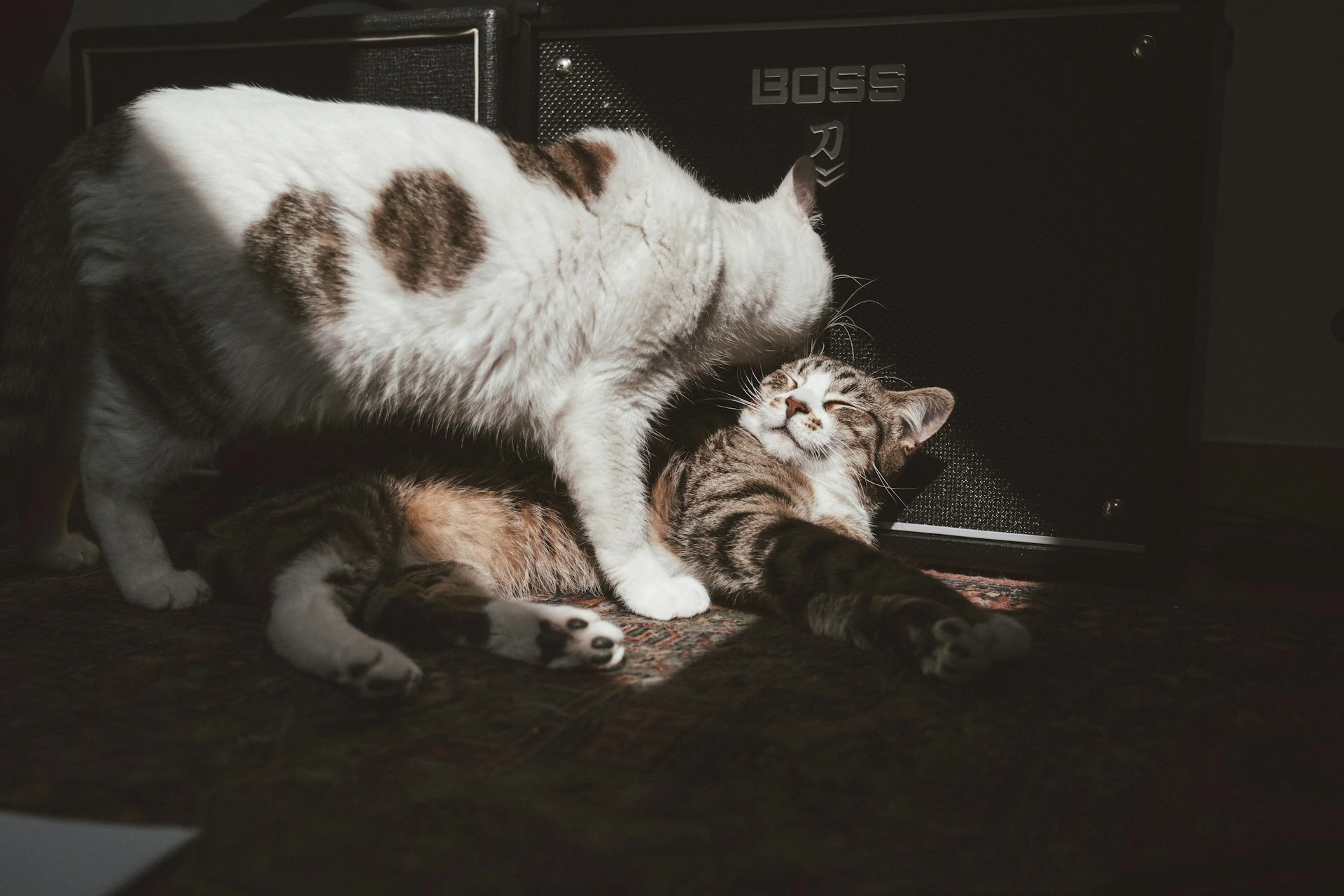
Yes! Cats can also suffer from separation anxiety. While we may poke fun at Fluffy for being cold and aloof, kitties are actually are very emotional and really get very, very attached to their humans. Our feline pals may feel upset when separated from us.
What Are The Signs Of Separation Anxiety?
Fido can’t tell you how he is feeling, but he will give some pretty clear clues in his behavior and demeanor. One of the telltale signs, as mentioned above, would be if your pooch made a mess in your absence. It’s important to understand that Fido isn’t trying to destroy your things: he’s just expressing his angst in the only way he knows how.
That isn’t the only clue to look for, though. Here are some of the other red flags:
- Barking
- Howling
- House Soiling
- Restlessness
- Panting
- Pacing
- Lip Licking
Fido may also engage in destructive behavior, such as digging through things, eating things that aren’t food, or even trying to escape. These things can actually be quite dangerous: your pet could be in serious trouble if he were to eat something that isn’t safe for him!
Another clue can be if your dog is a bit too excited to see you. That happy dance dogs do to greet their humans is adorable, but if Fido seems overly jumpy when welcoming you, he may have anxiety. He may also follow you around, and not want to let you out of his sight.
How Do I Know If My Dog Has Separation Anxiety?
One of the tricky things about separation anxiety is the fact that it can be hard to monitor Fido’s behavior, as this issue really surfaces when pets are left home alone. If you suspect that your pooch has separation anxiety, you may want to get a camera and record him.
Pay close attention to how Fido acts just after you leave. You may also want to see if your pooch acts differently when you leave on a ‘schedule’ outing, such as going to work, as opposed to less routine absences. If you are getting complaints about barking, record your entire absence.
How Long Does Separation Anxiety Last?
There are actually a few types or stages of separation anxiety. If you have a puppy, Fido may feel anxious at first, but may settle down after about four to six weeks. However, in many pups, the issue is permanent. Ask your vet for more information.
How Do You Ease Separation Anxiety In Dogs?
Therapy isn’t going to be an option for Fido, and you won’t have much luck getting him to meditate. However, there are some things that you can do to help your pup cope.
Activity: One thing that can be very useful is making sure that your furry pal is getting enough exercise. If Fido has pent-up energy, he’ll be even more anxious and jumpy. A good workout or play session will help him burn off that edge, just as a workout can for people.
Before you leave for work, take your pet for a vigorous walk. Or, better yet, take time to play with him for a bit. Hopefully, your canine buddy will be a bit tired out after, and ready for a nap. That would be perfect, as then he may sleep through much of your absence.
Entertainment: One reason that dogs sometimes get upset is because of simple boredom. Fido can get pretty restless with nothing to do but stare at the walls all day. Make sure that your pup has things to occupy himself with.
Here are a few suggestions for that:
- Puzzle Toys
- Kong Toys
- Long Lasting Treats
- Dog TV
- Smart Toys
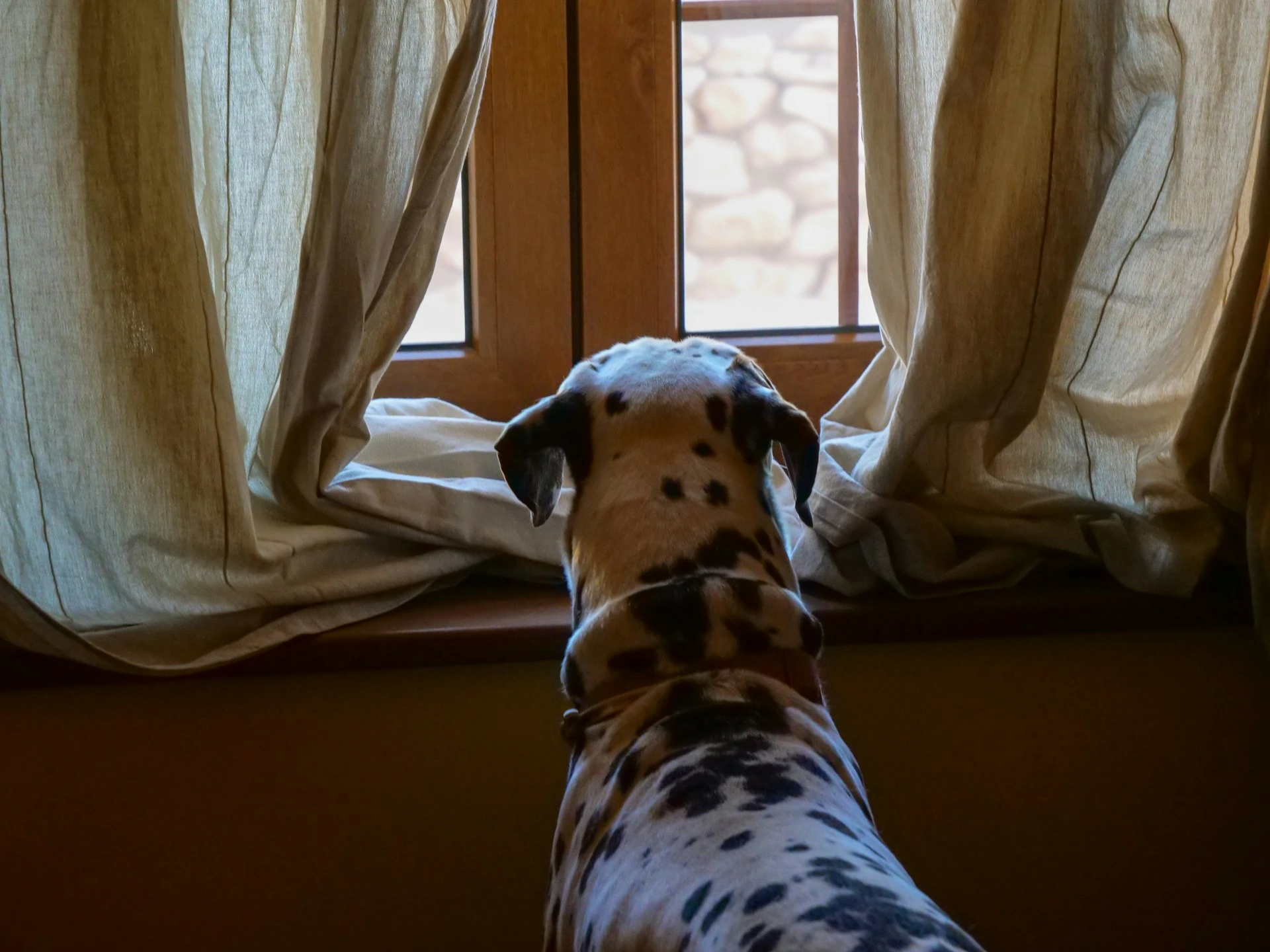
Your pooch may also appreciate a good view. If you can, give your pet a spot where he can look out the window. He may spend time watching for you, especially as the time nears for you to come home. However, he may also enjoy watching birds and squirrels and, of course, making noseprint art on your windows.
Of course, Fido also need stimulation when you’re home. Take time to play with your pet every day, and go explore new places while walking him. Training can also provide enrichment, and is also good for bonding.
Ask your vet for specific advice.
Behavioral Counseling: In severe cases, you may want to look into behavioral counseling. A professional assessment can be very eye opening and informative. You’ll also learn some of the do’s and don’ts. While many of these may be customized for your specific pooch and situation, there are a few things that are universal.
One thing that is important to understand is the fact that punishing Fido for acting up in your absence is not only not going to help, but may actually make matters worse. Dogs don’t think like we do, and they don’t process information the same way. Your pooch won’t necessarily equate your reaction with his behavior, especially after the fact. That may just make him more nervous. It’s best to focus on positive reinforcement.
You also don’t want to go too far in the other direction. Don’t coddle Fido when you come home, and don’t make a big fuss over coming or going. That’s just rewarding him for acting up!
Those are just a few suggestions. For more personalized advice on helping your cute pet cope with his anxiety, reach out to your Long Beach, MS veterinarian and/or dog behavioralist.
Which Dog Breeds Suffer From Separation Anxiety?
Any pooch can be afflicted by separation anxiety. However, some breeds are more likely than others to become anxious. Separation anxiety is particularly common in Chihuahuas, Labs, German Shepherds, Cocker Spaniels, Border Collies, Australian Shepherds, Jack Russell Terriers, and Bichon Frise.
Fido’s history also plays a role. We also see a lot of separation anxiety in dogs that have been rehomed. Sadly, this is because so many of them have been abandoned by or just separated from their former owners. Our canine pals get very, very attached to their humans, and can be traumatized when that bond is severed. It’s not uncommon for shelter dogs to suffer from separation anxiety.
Make An Appointment At Our Biloxi, MS Pet Hospital
Do you know or suspect that your dog is suffering from separation anxiety? Please feel free to contact us anytime. As your local Long Beach, MS pet hospital, we are here to help!