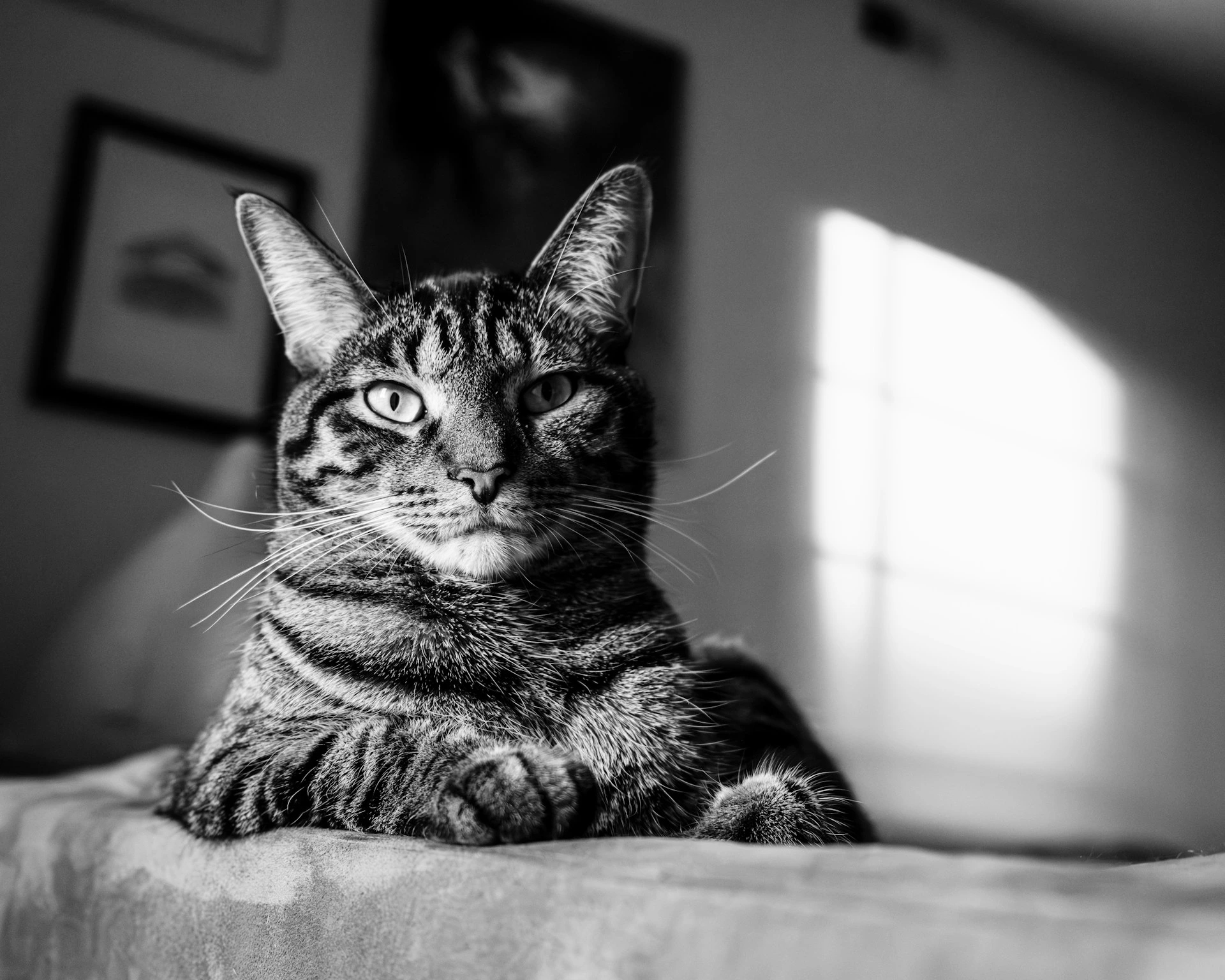



At Acosta Veterinary Hospital, we know that cats are masters of subtlety—especially when it comes to their health. For our feline friends in Biloxi, MSS, catching early signs of illness can be tricky but crucial. Fluffy might not yowl or limp when she’s feeling under the weather—instead, she’ll quietly withdraw or skip a meal.
It’s very important to recognize the early, often silent signals that something might be wrong. Whether your cat is usually social or shy, changes in her routine or behavior can be meaningful clues that she needs veterinary care.
Behavioral Changes Are the First Clue
Cats thrive on consistency. When their behavior shifts, it’s often their way of saying something isn’t right.
Watch for:
- Increased hiding: Even sociable cats may retreat to closets or under beds.
- Irritability or aggression: A normally sweet cat may hiss or swat when handled.
- Over-grooming or neglecting grooming: Excessive licking may signal stress or pain; lack of grooming can indicate lethargy or arthritis.
Even subtle changes, like a change in sleeping location or vocalizations, deserve attention.
Appetite and Weight Shifts
Your cat’s feeding habits provide insight into her overall health. Because kitties are prone to liver problems when they stop eating—even for a short time—any loss of appetite should be taken seriously.
Concerning signs include:
- Skipping meals or eating less than usual
- Increased hunger or ravenous eating (can point to diabetes or hyperthyroidism)
- Sudden weight loss or gain
- Changes in water consumption
Use a pet scale or regular weigh-ins to track fluctuations over time—this is especially helpful with long-haired cats.
Litter Box Clues: What’s in the Box Matters
Litter box behavior is a direct line to your cat’s internal health.
Things to watch for:
- Frequent urination or straining
- Accidents outside the box
- Diarrhea or constipation
- Changes in color or odor of urine or stool
If Fluffy suddenly starts urinating on your laundry, don’t assume she’s being naughty—she may be crying out for help.
Physical Signs That Something’s Off
Cats tend to sit quietly with discomfort rather than cry out, so visual cues are important.
Physical warning signs include:
- Dull or greasy coat
- Swelling, lumps, or sores
- Runny eyes or nose
- Bad breath or drooling (can signal dental disease or kidney problems)
- Limping or hesitation to jump
- Weight loss or gain
Respiratory and Vocal Changes
Any difference in the way your cat breathes or speaks should be taken seriously.
- Wheezing or labored breathing may point to asthma or infection.
- Persistent coughing is not normal in cats.
- Increased or decreased vocalization—a quiet cat who starts meowing excessively or a chatty cat who falls silent—can signal illness or discomfort.
Mental and Mood Shifts
Just like people, cats can experience mental health changes in response to physical illness.
Signs of cognitive or neurological decline include:
- Disorientation or confusion
- Yowling at night
- Staring at walls or getting stuck in corners
- Increased clinginess or fearfulness
If your older cat seems “off,” don’t chalk it up to age—she may be dealing with something treatable.
When to Contact Your Veterinarian
Don’t wait for multiple symptoms to line up before calling your vet. Cats are excellent at hiding pain, and by the time more obvious symptoms appear, the condition may have progressed.
Call Acosta Veterinary Hospital in Biloxi, MSS if:
- Your cat stops eating for more than 24 hours
- She is vomiting, coughing, or straining in the litter box
- You notice changes in energy, grooming, or behavior
- Lumps, bumps, or wounds appear
- You simply feel something is off
A quick visit can provide peace of mind—or early treatment if needed.
Why Early Detection Matters for Cats
Because cats age more rapidly than humans, even minor symptoms can evolve quickly. Early veterinary intervention can lead to:
- More treatment options
- Shorter recovery time
- Lower cost of care
- Better quality of life
Common conditions caught early include diabetes, hyperthyroidism, kidney disease, dental infections, and arthritis. Early diagnosis and treatment often lead to simple and effective management.
Fun Fact: A cat’s purring frequency (around 25 Hz) has been associated with healing properties in bone and tissue—talk about built-in therapy!
Daily Monitoring Tips for Cat Owners
Here’s how to stay ahead of potential problems:
- Use a food scale: Weigh food portions and track leftovers.
- Log litter box output: Changes in frequency or consistency are important.
- Groom weekly: Brushing helps detect lumps, skin changes, or soreness.
- Observe her routines: Cats love patterns. Any disruption is a clue.
- Schedule regular wellness visits: These allow your vet to spot subtle changes over time.
Looking for a veterinary clinic near me in Biloxi, MSS?
At Acosta Veterinary Hospital, our team of compassionate veterinarians is ready to help you catch even the quietest signals your cat may be sending. Let’s work together to keep Fluffy purring and thriving for years to come.
This blog is intended for informational purposes only and does not constitute medical advice. Please contact your veterinarian for individualized care recommendations.