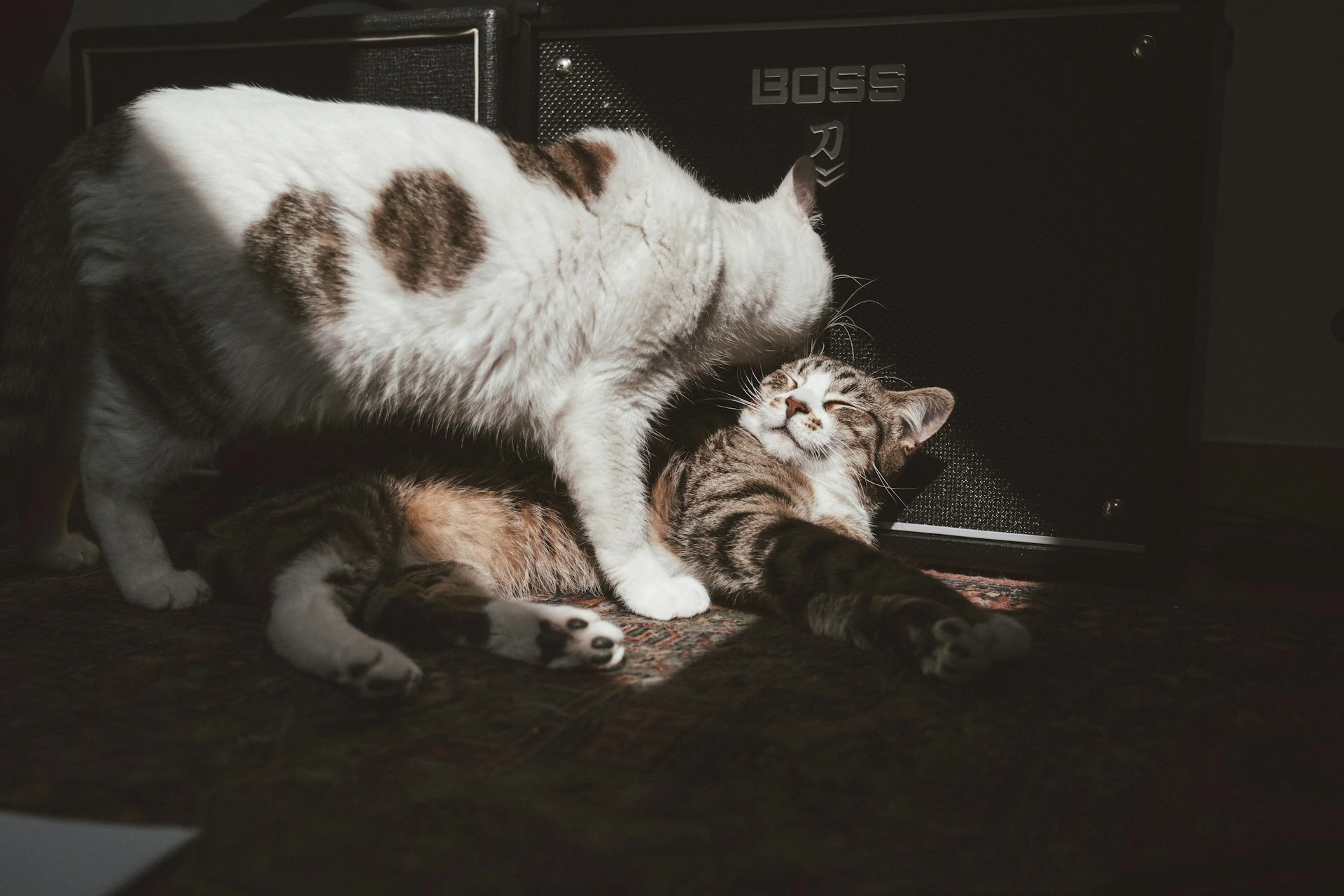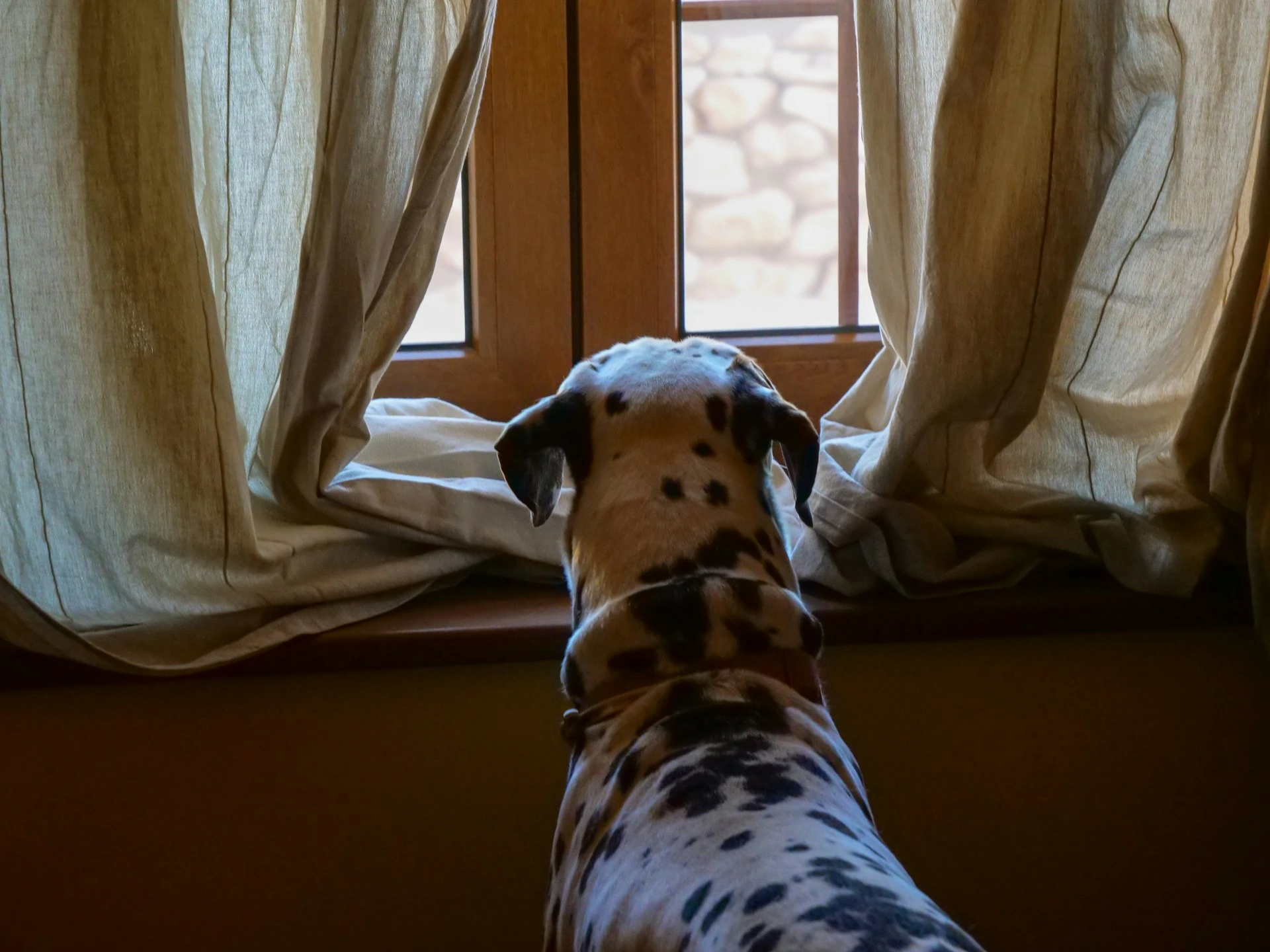



Has your feline friend been picking fights with your dog or swatting at a new kitten in the house? Cat aggression can be unsettling and stressful for both pets and people. At Acosta Veterinary Hospital, your Biloxi, MS pet clinic, we regularly help families find effective cat aggression solutions to restore peace at home. Whether it’s territorial swatting, growling, or full-on fighting, understanding why aggression happens is the first step in learning how to stop it.
Why Cats Show Aggression Toward Other Pets
Aggression is often a response to fear, stress, or competition. Cats are territorial by nature, and adding another animal to Fluffy’s ‘kingdom’ can feel like an invasion. Common causes of aggression include:
- Territorial concerns. Protecting food, litter boxes, or resting areas.
- Fear or anxiety. New pets or loud environments can overwhelm cats.
- Poor introductions. Rushed introductions often spark conflict.
- Medical issues. Pain or illness can make cats more irritable.
Recognizing these triggers helps you develop a strategy to stop cat fighting with pets before it escalates.
Stop Cat Fighting With Pets: Practical Steps
When cats lash out at other pets, immediate separation is key. After that, follow these strategies:
- Gradual introductions. Slowly reintroduce pets using scent swapping and controlled meetings.
- Supervised interactions. Short, positive sessions build tolerance over time.
- Resource management. Provide separate litter boxes, food bowls, and resting spaces.
- Play therapy. Use toys to redirect aggression into positive energy release.
Patience and consistency are critical—rushing the process can make aggression worse.
Click here to see our prior blog on helping cats make friends.
Cat Territorial Aggression: Understanding Boundaries
Cats often act out because they feel their space is threatened. To reduce territorial aggression, make sure every pet has:
- Private hiding areas. Safe spots where they can retreat when overwhelmed.
- Vertical territory. Cat trees and shelves allow escape routes above ground level.
- Multiple litter boxes. Follow the rule of one per cat plus one extra.
- Individual feeding stations. Prevents competition and resource guarding.
Respecting feline boundaries helps restore harmony in multi-pet homes.
The ASPCA has an article on aggression in cats, which you can read here. You can also read more about kitty aggression at PetMD here.
Calming Aggressive Cats Naturally
Not every solution involves training. Some strategies for calming aggressive cats focus on creating a soothing environment:
- Maintain routines. Predictable feeding and play schedules reduce anxiety.
- Provide enrichment. Puzzle feeders, scratching posts, and interactive toys prevent boredom.
- Use calming aids. Some cats respond well to pheromone diffusers or calming music.
- Stay calm yourself. Cats sense your emotions—keeping cool helps them relax.
These natural approaches can make a big difference in reducing stress-driven aggression.
Fun Fact: Cats Use Scent, Not Just Sight, to Recognize Friends
Cats rely heavily on scent to identify who belongs in their family group. That’s why swapping bedding or rubbing a towel on both pets can help them accept each other more quickly.
When to Seek Veterinary Help
Persistent aggression may require professional intervention. At Acosta Veterinary Hospital, we can rule out medical causes, provide tailored cat aggression solutions, and recommend behavior modification techniques. If needed, we may also refer you to a certified feline behaviorist for advanced support.
FAQ
Why is my cat suddenly aggressive toward my other pets?
Sudden aggression may be due to stress, illness, or changes in the environment. A veterinary check is recommended.
Can cats and dogs live peacefully together?
Yes, with gradual introductions and proper resource management, many cats and dogs coexist happily.
How long does it take to stop cat aggression?
It varies. Some cats adjust in days, while others need weeks or months. Patience is key.
Should I punish my cat for aggression?
No. Punishment increases stress and worsens behavior. Positive reinforcement works better.
Visit Our Biloxi Veterinary Clinic
At Acosta Veterinary Hospital, your Biloxi, MS pet clinic, our team specializes in helping families manage cat aggression solutions. Whether you’re trying to stop cat fighting with pets, reduce cat territorial aggression, or learn techniques for calming aggressive cats, we’re here to guide you. Looking for a vet near me in Biloxi? Schedule a behavior consultation today and restore peace to your household.
Click here to visit our Services page, and learn more about our animal clinic and the pets we treat.
This article is for informational purposes only. Always consult with your veterinarian for personalized advice, medical guidance, or treatment recommendations for your cat.