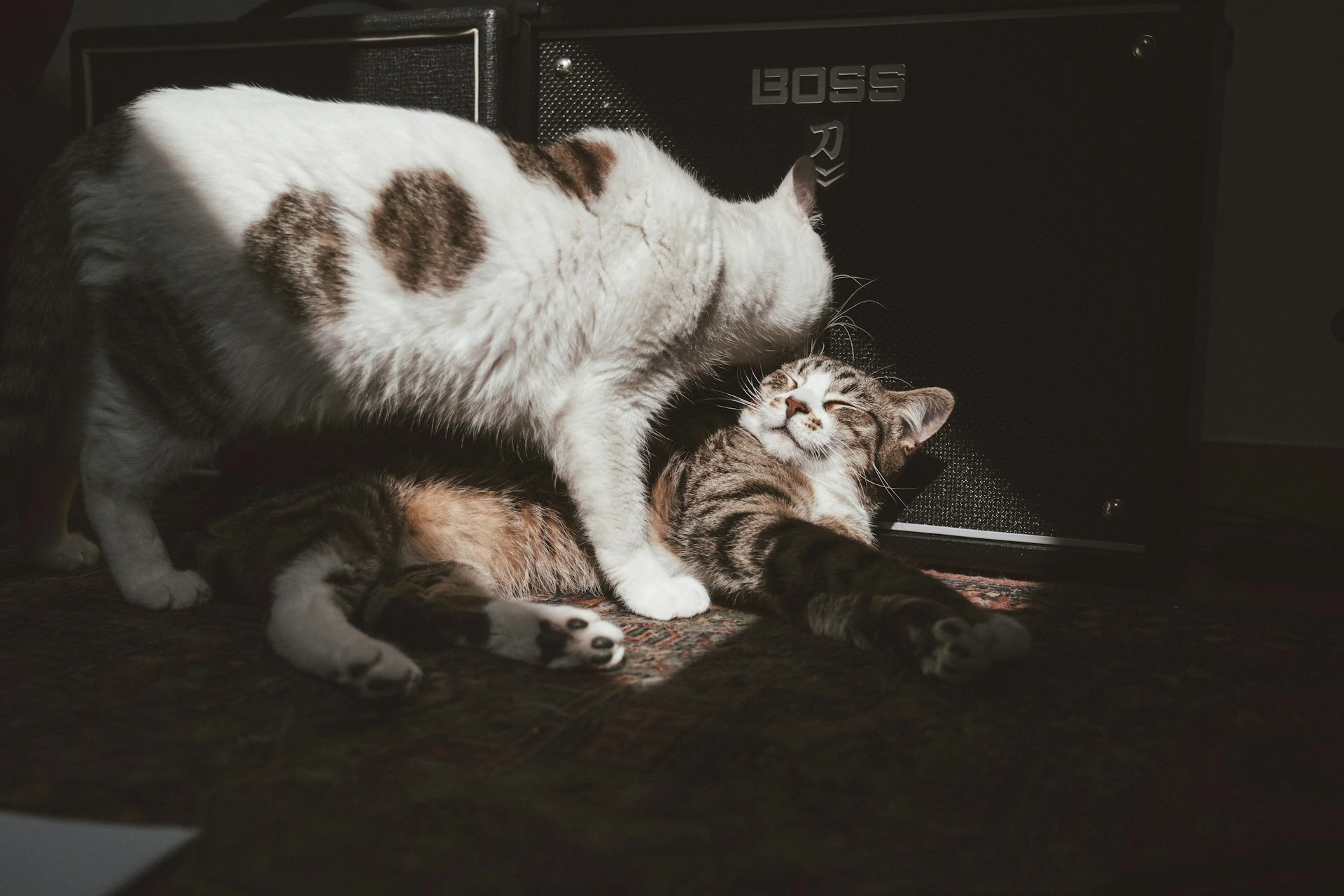
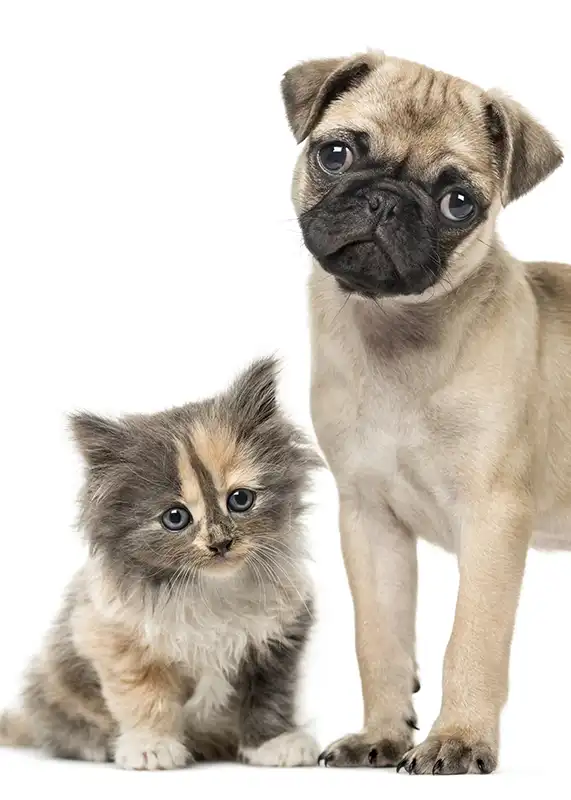
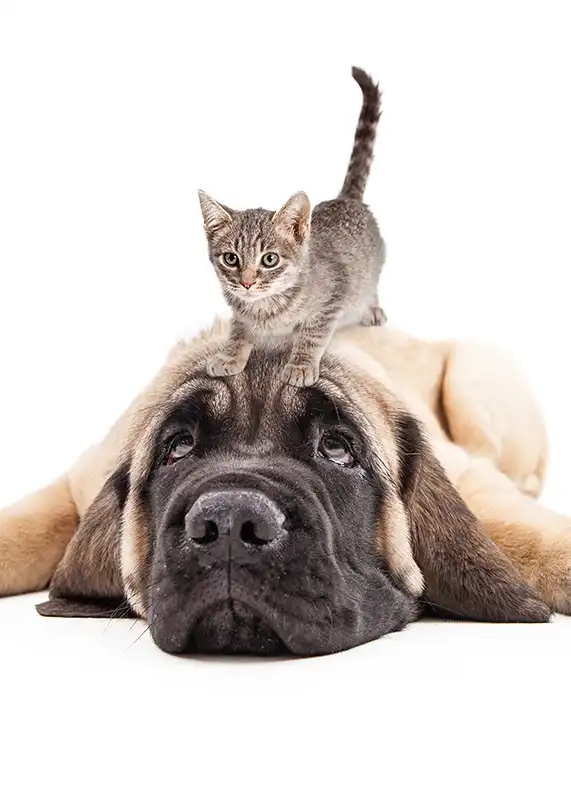

Bringing a new kitten home is always an adventure. Baby cats are basically tiny, furry tornados that are full of tiny paws, playful leaps, and sometimes a few missteps along the way. At Acosta Veterinary Hospital in Ocean Springs, MS, we know that early kitten manners training is key to raising a well-adjusted feline. With the right balance of litter training and structured playtime, you can help your kitty grow into a happy, confident adult.
Why Manners Matter for Kittens
Kittens are naturally curious and eager to learn, but they need guidance to understand what’s expected in your home. Early training not only shapes your pet’s behavior but also prevents future challenges. Whether it’s using the litter box correctly or playing without scratching furniture, teaching kittens good habits early makes life easier for both you and your furball.
Litter Training Kittens: Building a Solid Routine
One of the first tasks of training kittens is introducing them to a clean, comfortable litter box. Most kittens instinctively use the box, but you can make success even more likely by following these steps:
- Choose the right box. Low-sided pans make it easy for young kittens to climb in and out.
- Pick a safe litter. Unscented, non-clumping options are gentlest on tiny paws.
- Keep it clean. Scoop daily and wash weekly to encourage consistent use.
- Place strategically. Keep the box in a quiet, accessible spot away from food and water.
Praise your kitten when they use the box correctly, and never punish accidents. Gentle redirection and patience are the best teaching tools.
Purina has a good piece on litterboxes, which you can read here. You can find out more about the do’s and don’ts of litterbox setups at the ASPCA website here.
Teaching Kittens Good Habits at Home
Just like children, kittens thrive on structure. To support teaching kittens good habits, establish clear routines. Feed at regular times, set aside daily play sessions, and keep litter boxes consistently clean. Use positive reinforcement like praise, treats, or petting when your kitty does something right. With time, these simple actions shape lifelong good manners.
Click here to check another blog post on kitty petiquette: this one on scratching.
The Role of Playtime in Kitten Development
Playtime isn’t just fun; it’s how kittens learn important life skills. Playing provides exercise, builds confidence, and helps with social development. Through chasing toys, climbing, and pouncing, your feline companion will develop coordination and burn off excess energy.
Interactive play also reduces unwanted behaviors. A tired kitten is far less likely to scratch furniture or chew on cords than one that’s full of zoomies. Toys like feather wands or rolling balls can keep your kitty engaged while also strengthening the bond between you and your feline pal.
Socialization Through Play
Socialization is just as important as litter training. Kittens that experience gentle handling, exposure to different people, and safe interactions with other animals grow into well-adjusted adults. Playtime is a perfect opportunity for social learning. Invite friends to play with your kitty, or allow supervised introductions to other pets. This teaches your feline companion how to interact politely without fear or aggression.
Fun Fact: Kittens Can Learn Their Name Early
Did you know kittens as young as 2 months can recognize their names? Using your kitty’s name during play and praise helps them learn to respond, making communication easier as they grow.
Avoiding Common Mistakes in Kitten Training
Even well-meaning pet parents sometimes make mistakes. Here are a few to avoid:
- Using punishment. Negative reinforcement only creates fear.
- Inconsistent training. Cats thrive on routine—stick with the same expectations.
- Too little stimulation. Without play, kittens often turn to destructive behavior.
- Dirty litter boxes. A neglected box is the fastest way to encourage accidents.
By avoiding these pitfalls, you create an environment where your furry bestie can thrive.
Creating a Kitten-Friendly Home
A well-prepared environment makes training easier. Provide multiple scratching posts to deter furniture damage, use baby gates to block unsafe areas, and offer cozy resting spots. A safe, enriched environment gives your kitten the confidence to learn and practice new behaviors.
FAQ
How long does it take to litter train a kitten?
Most kittens learn quickly—often within a few days—if the litter box is clean and accessible.
What toys are best for kittens?
Interactive toys like wand teasers, rolling balls, and climbing trees encourage active play and learning.
How do I stop my kitten from biting during play?
Redirect biting to a toy and avoid using your hands during play sessions.
Should I adopt two kittens at once?
Many experts recommend adopting in pairs, as kittens learn social manners best with a playmate.
Visit Our Ocean Springs Veterinary Clinic
At Acosta Veterinary Hospital in Ocean Springs, MS, we’re here to help you with every stage of kitten manners training, from litter box success to playful socialization. We can answer questions, provide guidance, and keep your kitten on track for healthy development. Searching for a vet near me to support your growing feline pal? Schedule a visit with our Ocean Springs veterinary team today for personalized care and advice.
Click here to visit our Services page, and learn more about our Biloxi, MS animal clinic and the pets we treat.
This blog is for informational purposes only. Always consult with your veterinarian for medical guidance, behavior advice, or treatment tailored to your pet.