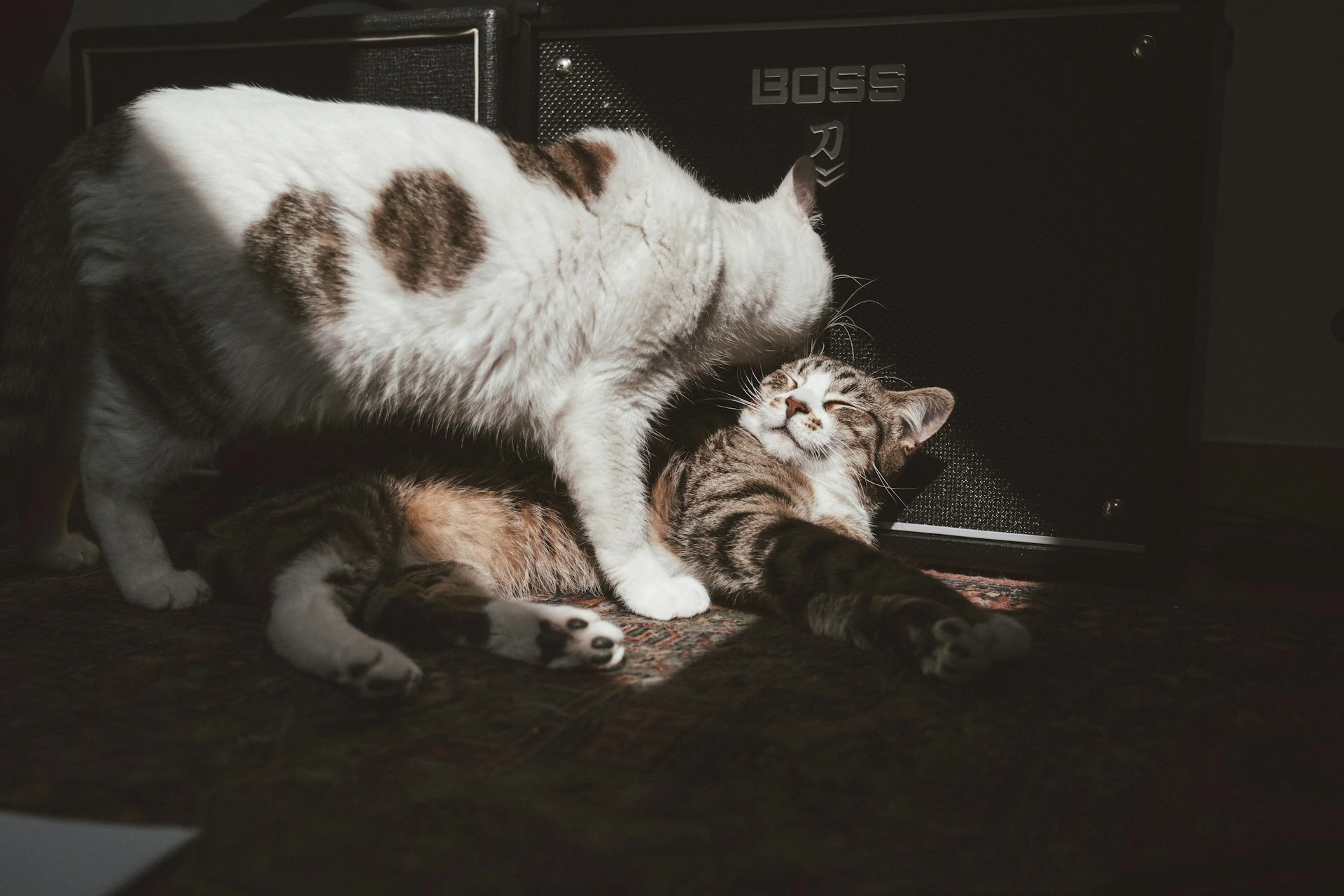



Do your couches and chairs have battle scars from Fluffy’s claws? You’re not alone—many cat parents face the same challenge. At Acosta Veterinary Hospital, your vet clinic in Biloxi, MS, we are often asked how to stop cats scratching furniture without causing them stress or confusion. It may be easier than you think! Scratching is a natural behavior, and with the right strategies, you can redirect it in healthy, cat-friendly ways.
Why Cats Scratch in the First Place
Scratching isn’t a sign of misbehavior. Instead, it serves important purposes for your feline friend:
- Sharpening claws and removing worn outer layers.
- Marking territory with scent glands in the paws.
- Stretching muscles for comfort and flexibility.
- Relieving stress and expressing excitement.
Understanding the instinct behind the action is the first step in preventing cat destructive scratching on your furniture.
Chewy did an article on why cats scratch, which you can read here. Humane World for animals also has a post on scratching in kitties. Click here for that one.
Scratching Post Training: Redirecting the Behavior
Instead of trying to stop scratching altogether, focus on redirection. Scratching post training works best when you make the alternative more appealing than your couch. Consider these tips:
- Choose the right post. Sturdy posts covered with sisal rope or carpet are kitty favorites.
- Offer variety. Vertical and horizontal scratchers appeal to different cats.
- Place strategically. Position posts near the furniture your kitty tends to scratch.
- Reward good use. Praise or treat your cat when they use the post.
Cats respond best to consistency. Over time, they’ll learn the scratching post is the go-to spot.
Remember, training starts young. Click here to check out our past blog on kitten manners.
Cat Behavior Tips for Protecting Furniture
Preventing damage often requires a multi-step approach.
- Cover or block furniture temporarily. Use protective covers until your kitty learns to use the post.
- Provide climbing trees. These satisfy both climbing and scratching needs.
- Play daily. Active play sessions reduce boredom-driven scratching.
- Clip nails regularly. Shorter nails cause less damage if scratching occurs.
These changes create an environment where your feline companion can meet their needs without ruining your home décor.
Common Mistakes to Avoid
Trying to stop scratching with punishment often backfires. Cats don’t understand negative reinforcement and may become stressed or fearful. Instead, focus on prevention and positive redirection. Avoid declawing: it’s a painful procedure that can cause lifelong complications. Modern approaches are far more humane and effective.
Environmental Enrichment for Happy Cats
Scratching is often linked to boredom. Keep your kitty entertained with:
- Interactive toys like feather wands or puzzle feeders.
- Perches or window hammocks for watching the world outside.
- Multiple scratching options in different rooms.
An enriched environment helps reduce unwanted scratching by meeting your cat’s physical and mental needs.
Fun Fact: Scratching Leaves Visual Messages
Cats don’t just scratch for fun. They leave behind visible marks that act as signals to other animals. In the wild, this helps cats communicate territory. Indoors, that instinct still drives them to leave messages, often on your furniture.
When to Consult a Veterinarian
Sometimes, excessive or sudden scratching can signal underlying issues like anxiety or health problems. If your feline pal scratches compulsively or in unusual places, it’s worth a veterinary exam. Your veterinarian can help identify whether stress, pain, or another issue is contributing to the behavior.
FAQ
Why does my cat prefer my couch over the scratching post?
Often it’s about location or texture. Try moving the post near the couch and using sisal, which many cats prefer.
Can I train an older cat to stop scratching furniture?
Yes. While kittens learn quickly, older cats can still adapt with patience and consistency.
Should I trim my cat’s nails at home?
Yes, regular trims help minimize damage. If you’re unsure how, ask your vet to demonstrate.
Is declawing an option to stop scratching?
Declawing is strongly discouraged. It’s painful and can cause lasting health issues. Use humane training methods instead.
Visit Our Biloxi Veterinary Clinic
At Acosta Veterinary Hospital, your Biloxi, MS vet clinic, our team is here to guide you with solutions to stop cats scratching furniture. From scratching post training to personalized cat behavior tips, we’ll help you protect your home while keeping Fluffy healthy and happy. Looking for a vet near me in Biloxi? Schedule an appointment with our veterinary team today for expert cat care and behavior guidance.
Click here to visit our Services page, and learn more about our Biloxi, MS animal clinic and the pets we treat.
This article is for informational purposes only. Always consult with your veterinarian for personalized medical advice, diagnosis, or treatment for your pet.