
As pets age, their care needs change. Your furry bestie who once bounded through the yard or climbed furniture with ease may now prefer quiet naps and slower walks. At Acosta Veterinary Hospital, your Biloxi, MS animal hospital, we know that for senior pets, grooming is an essential part of keeping older dogs and cats healthy and comfortable. Grooming goes beyond appearances. It supports hygiene, prevents discomfort, and even helps detect hidden health problems early.
Why Grooming Matters More for Senior Pets
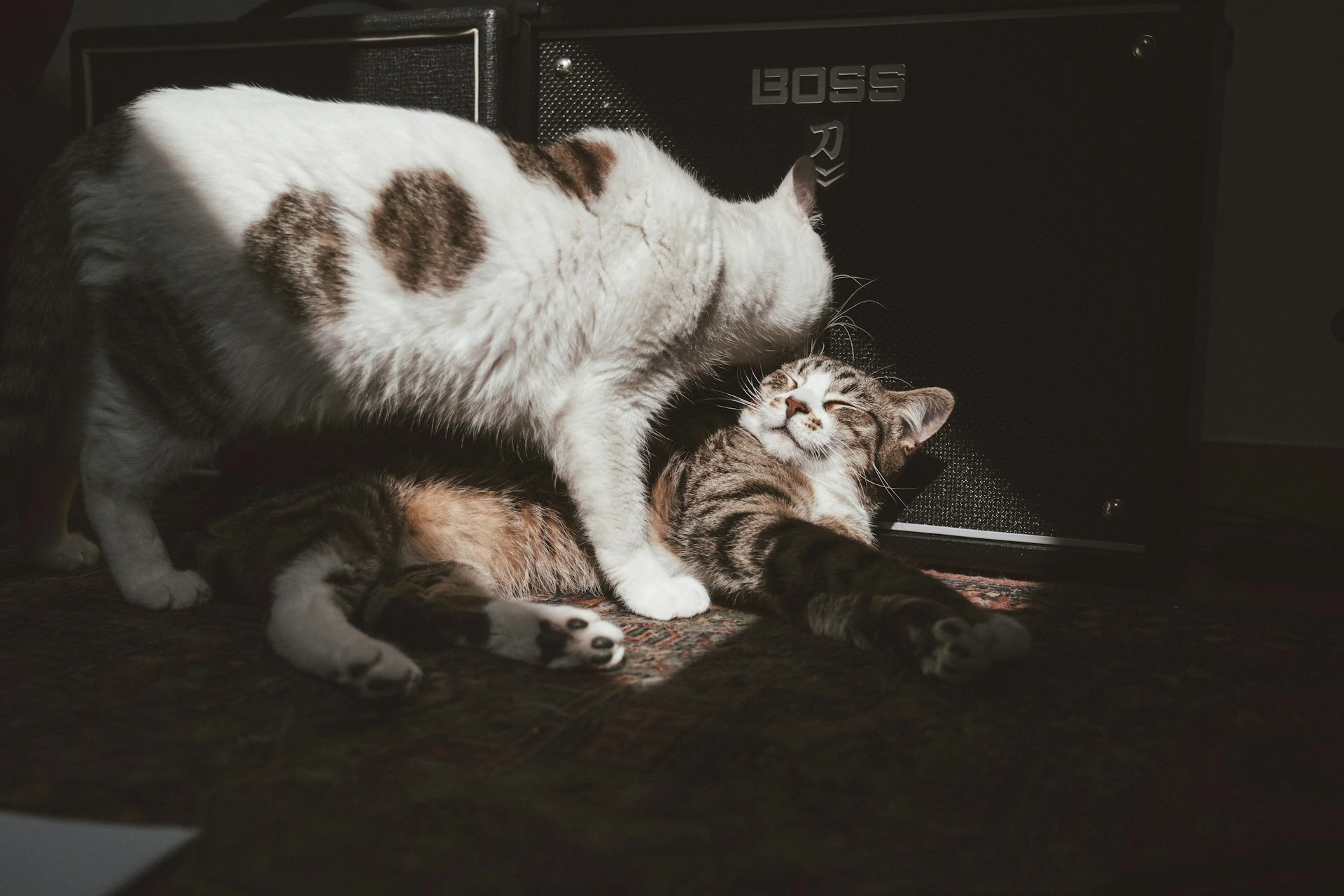
Younger kitties often manage their own grooming with ease, but senior cats face challenges. They may develop arthritis that makes self-grooming painful. And older dogs may be hard to keep clean due to reduced flexibility or energy. Professional grooming helps bridge these gaps by ensuring your four-legged buddy stays fresh, clean, and healthy.
Grooming also provides a chance for close inspection. Mats, overgrown nails, skin conditions, and parasites can all be caught during a grooming session. By including grooming in your senior pet’s routine, you support both their comfort and long-term health.
Grooming Older Dogs: Comfort and Mobility
For aging dogs, grooming helps in several ways:
- Nail care. Overgrown nails can make walking painful and may lead to joint strain.
- Bathing. Gentle baths soothe skin and reduce odors that can develop with age.
- Coat care. Regular brushing removes loose hair, preventing mats and promoting circulation.
- Sanitary trims. Keeping fur short around sensitive areas reduces the risk of infections.
Professional groomers trained in grooming older dogs handle them gently, keeping in mind reduced mobility and the possibility of stiffness.
Grooming Older Cats: Overcoming Self-Care Challenges
Cats are known for fastidious grooming, but senior cats often struggle. Arthritis, obesity, or dental pain can make grooming difficult. Grooming older cats professionally ensures mats are removed, coats stay shiny, and nails are trimmed to prevent painful ingrown claws. For long-haired cats especially, regular grooming is crucial to prevent discomfort.
Professional grooming also helps with hygiene issues like dandruff or greasy coats, which may signal underlying health conditions your veterinarian should evaluate. They also help pets stay cool in summer.
Click here to find another blog we’ve written on keeping pets cool.
Senior Pet Hygiene Tips at Home
In addition to professional grooming, there are steps you can take at home to maintain your pet’s hygiene:
- Brush regularly. Gentle daily brushing helps with circulation and reduces mats.
- Wipe paws. Clean paws after walks to prevent irritation from dirt or chemicals.
- Monitor ears and eyes. Keep them clean and check for discharge or odor.
- Check teeth and gums. While not always part of grooming, dental health is closely tied to hygiene.
These senior pet hygiene tips help keep your furry pal comfortable between grooming visits.
How Grooming Detects Health Concerns Early
Professional grooming sessions often serve as an early-warning system. Groomers may notice lumps, skin irritations, or ear infections before they become obvious to you. For senior pets, early detection of changes is especially important, as older animals are more prone to health conditions that benefit from prompt veterinary attention.
Reducing Stress During Senior Grooming
Older pets may be more sensitive to stress. Professional groomers trained in working with seniors create a calm, gentle environment. Using quiet clippers, warm water, and slow handling helps reduce anxiety. Some pets even seem to enjoy the pampering, especially when grooming is paired with positive reinforcement and gentle care.
Fun Fact: Grooming Promotes Circulation
Brushing isn’t just about detangling fur—it stimulates blood flow to the skin, which can be especially beneficial for senior pets who may have reduced circulation. A little brushing goes a long way toward comfort and vitality.
When to Schedule Grooming More Frequently
Senior pets may need grooming more often than younger ones. Long-haired cats may require trims every few weeks, while older dogs with thick coats may benefit from seasonal grooming. Consult your veterinarian for guidance on how often your pet should be professionally groomed.
FAQ
How often should senior pets be groomed?
It depends on coat type and health, but many older pets need grooming every 4–8 weeks.
Are grooming sessions safe for senior pets?
Yes, when performed by experienced groomers who know how to handle mobility and health issues.
Can grooming help detect health problems?
Absolutely—groomers often notice skin, coat, or nail issues that signal health concerns.
Should I groom my senior pet at home?
Regular brushing and hygiene checks at home are helpful, but professional grooming provides more thorough care.
Older animals make great pets! Catster has a piece on adopting a senior cat, which you can read here. The ASPCA wrote a blog on the benefits of adopting older kitties. Click here to read.
Visit Our Biloxi Veterinary Clinic
At Acosta Veterinary Hospital, your Biloxi, MS animal hospital, we understand the unique needs of senior pets. Our team is here to help with senior pet grooming, whether it’s advice for grooming older dogs, support for grooming older cats, or tailored senior pet hygiene tips. Looking for a vet near me in Biloxi? Schedule an appointment today to discuss grooming and health care for your beloved senior companion.
Click here to visit our Services page, and learn more about our Biloxi, MS animal clinic and the pets we treat.
This blog is for informational purposes only. Always consult with your veterinarian for personalized grooming guidance, medical advice, or treatment recommendations for your pet.