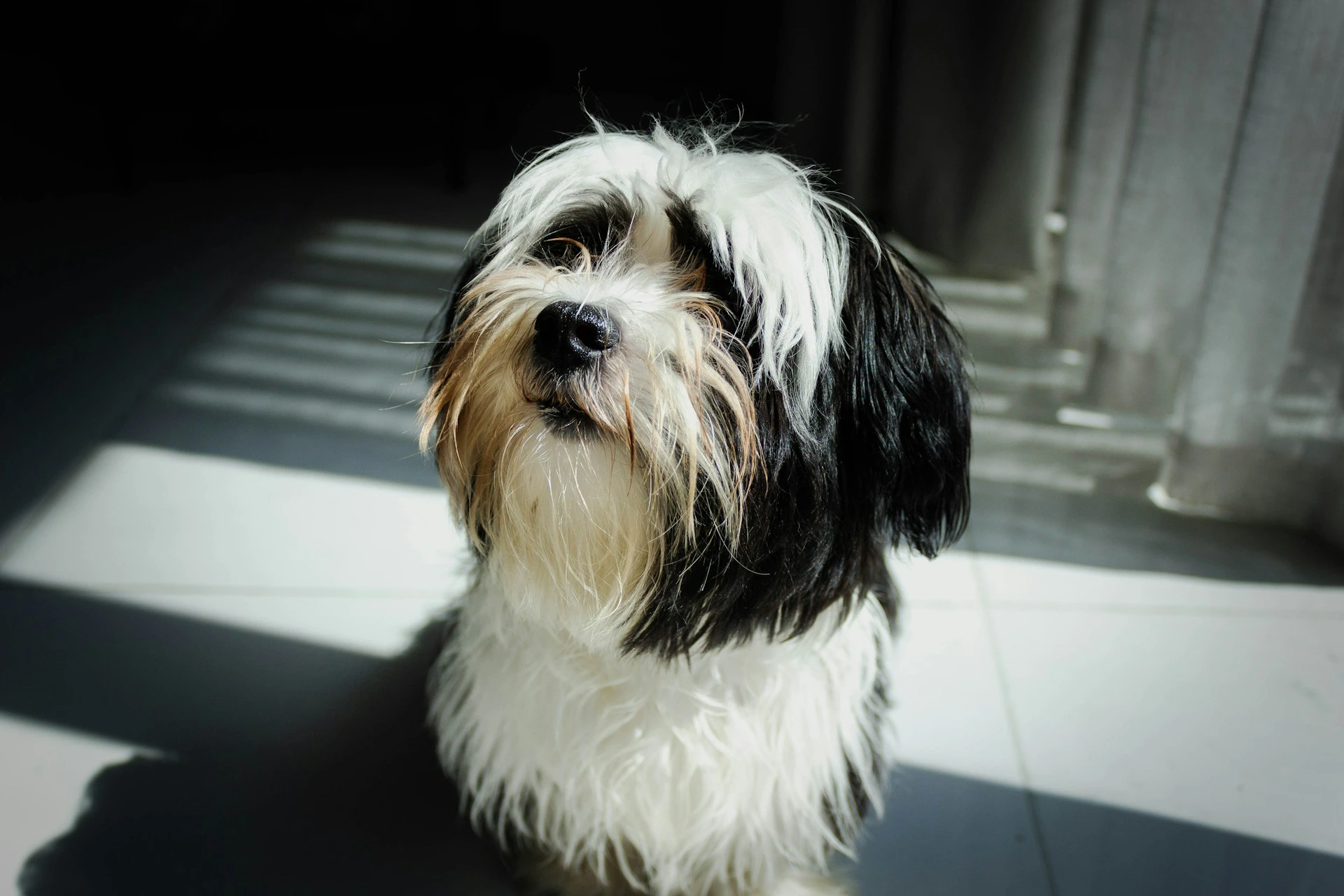


Does your pup bark, chew, or pace when you leave the house? If so, you may be dealing with dog separation anxiety, one of the most common behavioral issues we see at Acosta Veterinary Hospital, your Ocean Springs, MS vet clinic. While it can be frustrating for you and stressful for your four-legged buddy, the right training strategies and care can help your canine companion feel calm and secure, even when you’re not home.
What Is Separation Anxiety in Dogs?
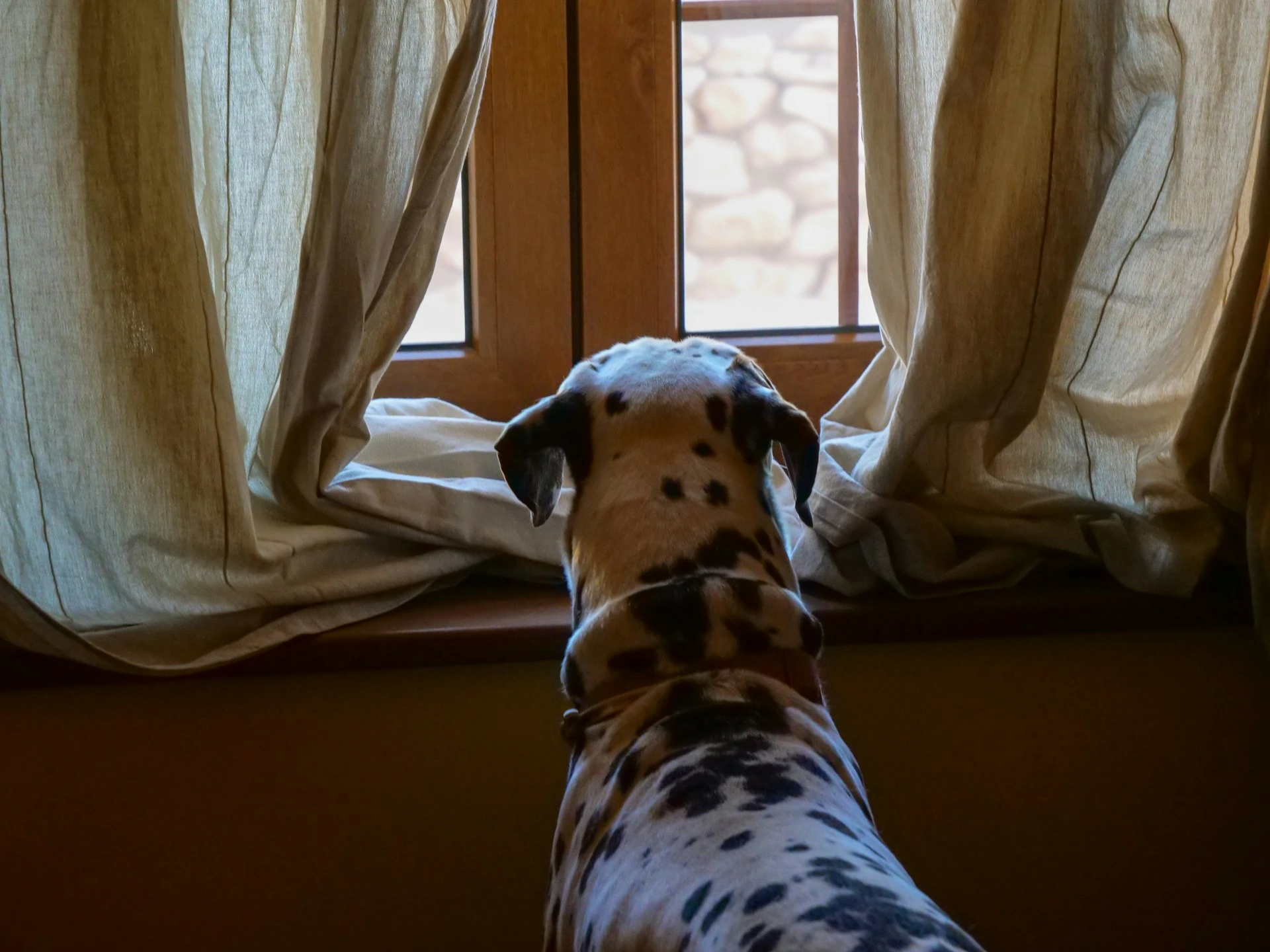
Separation anxiety happens when dogs experience distress when left alone. Unlike simple boredom, this condition often causes intense anxiety and destructive behaviors. Signs of separation anxiety include:
- Excessive barking or howling when left alone.
- Chewing or digging near doors and windows.
- Pacing or restlessness during your absence.
- House soiling, even in previously trained dogs.
Recognizing these signs is the first step toward helping your canine pal feel more at ease. Click here to explore another blog on canine separation anxiety.
Why Some Dogs Develop Separation Anxiety
Several factors contribute to anxiety in dogs. Puppies that were weaned too early, rescue dogs with uncertain pasts, or dogs that experience sudden changes in schedule are more prone to anxiety. Even highly attached pups may struggle if they haven’t learned how to cope with being alone.
Stressful events like moving, a new family member, or a change in work routine can also trigger anxiety. Understanding the cause helps you and your veterinarian choose the right solutions.
Separation anxiety is very common in dogs. The ASPCA has a piece on this here. PetMD also has a piece on canine separation anxiety on their website here.
Training Dogs With Anxiety: Building Confidence
The cornerstone of treatment is training dogs with anxiety to feel safe when alone. Start with short absences and gradually increase the time away. Reward calm behavior with praise or treats. Training sessions should always end on a positive note.
Basic obedience training also helps build confidence. Teaching commands like sit and stay gives your pup structure and reassurance. Dogs that feel secure in their abilities often cope better with alone time.
Environmental Enrichment: Keeping Your Dog Busy
One way to keep your dog from feeling stressed when left alone is by providing enrichment while you’re gone. Options include:
- Interactive toys that release treats.
- Puzzle feeders to engage their minds.
- Safe chew toys for stress relief.
- Background noise, like leaving a TV or radio on for comfort.
These tools redirect your dog’s focus from stress to positive activity, making the separation feel shorter.
Calming Anxious Dogs: Extra Support Strategies
Sometimes enrichment isn’t enough. Other ways to help include:
- Creating a safe space. Crates or cozy corners help some dogs feel secure.
- Exercise before leaving. A tired pup is less likely to feel anxious.
- Practice calm departures. Avoid long goodbyes, which increase stress.
- Return calmly. Overly enthusiastic greetings reinforce anxiety.
These methods work best when combined with consistent training and patience.
When to Seek Professional Help
If your pup’s anxiety is severe, it may require professional support. Our Ocean Springs vets can rule out medical issues, suggest behavior modification strategies, and recommend additional calming tools if needed. Severe separation anxiety can often improve with a tailored plan.
Fun Fact: Dogs Can Tell Time by Routine
Dogs may not read clocks, but studies show that they sense time based on routine and environmental cues. This is why sticking to consistent schedules can help anxious dogs feel more secure.
Avoiding Common Mistakes
Many well-meaning owners accidentally reinforce anxiety. Common mistakes include:
- Punishing destructive behavior. Dogs act out from stress, not spite.
- Leaving without preparation. Jumping from constant presence to long absences is overwhelming.
- Overly dramatic departures or arrivals. These make the event feel more significant.
Avoiding these mistakes supports smoother progress.
FAQ
How long does it take to fix separation anxiety?
It varies. Mild cases may improve in weeks, while severe cases require months of consistent training.
Is crate training good for dogs with anxiety?
For many, yes. A crate offers a safe den-like space, which can be very comforting. However, it must be introduced positively.
Can toys really help with anxiety?
Yes, interactive toys and puzzles distract your pup and reduce stress while you’re away.
Should I get another pet to help with anxiety?
Not always. Another animal may not solve the root issue and could cause more stress.
Visit Our Ocean Springs Veterinary Clinic
At Acosta Veterinary Hospital in Ocean Springs, MS, we specialize in helping families manage dog separation anxiety. Whether you need support with training dogs with anxiety, strategies to reduce dog stress alone, or guidance on calming anxious dogs, we are here to help. Looking for a vet near me in Ocean Springs? Schedule an appointment today to give your pup the confidence and care they need.
Click here to visit our Services page, and learn more about our Biloxi, MS animal clinic and the pets we treat.
This article is for informational purposes only. Always consult with your veterinarian for personalized medical advice, training guidance, or treatment recommendations for your pet.